
College Essay Coaching in
Houston and Online

One-on-one coaching from a Texas-certified English teacher with an MFA in screenwriting.
Why a Screenwriter Reads These Well
The personal statement is a story. Six hundred and fifty words to introduce a person, put a reader inside one specific moment, and make a stranger care. It's a different job from the essays students write for class, which is why strong students so often write flat personal statements.
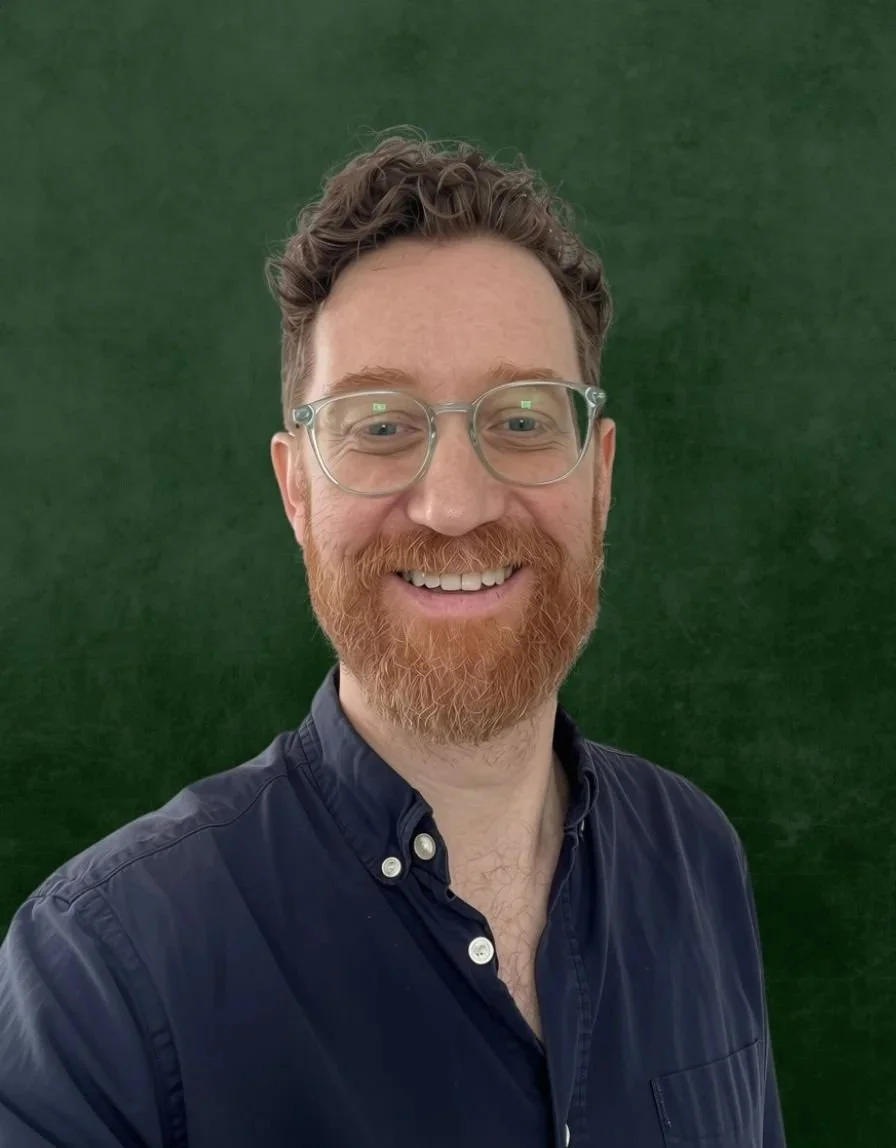
My MFA is in screenwriting. I know that storytelling isn’t easy. A good essay hooks the reader, keeps them engaged, and sticks with them.
I’ll help you find the scene that carries the idea. Cut what isn't earning its place. Show it instead of announcing it.
Coaching for students who learn differently and multilingual students
The Common App opened August 1.
Early Decision and Early Action deadlines land November 1.
In just a few months, a student has to write the most personal thing they've ever written, for an audience they've never met.
Their future is on the line, and that’s a lot of pressure.
I coach students through that.
Your Student Writes the Essay
I coach the writer.
I don't do the writing.
That means I ask a lot of questions.
Most students arrive with a topic they think they're supposed to write about, and I want to know what they'd say if nobody were grading it.
That conversation is usually where the essay comes from.
The result?
An essay in your student's own voice, and a student who has learned something about writing that outlasts the application.
Pricing
Single Essay Review
Get written and video feedback on one essay with a plan to improve your essay within 48 hours. No session, no scheduling.
Good for a student who's mostly there and needs a real reader or families who aren’t quite ready to commit.

This college essay review is for one essay. Clients will receive detailed feedback and a short video explaining the corrections.
After purchase, you will receive a notification and an email with a link to upload your essay. If you have any issues with uploading and submitting your essay, please contact info@conwaylearning.com so we can help!
Personal Statement
Five 60-minute sessions and two rounds of written feedback between them, covering topic, draft, and revision of the main Common App essay. This is one essay.
Five 60-minute sessions and two rounds of written feedback between them, covering topic, draft, and revision of the main Common App essay. This is one essay.
Three School Package
Everything in the Personal Statement package, plus supplemental essays for three schools.
Nine sessions and four rounds of written feedback.
Everything in the Personal Statement package, plus supplemental essays for three schools.
Nine sessions and four rounds of written feedback.
Six School Package
Personal statement plus supplementals for six schools. Twelve sessions, six rounds of written feedback, and first choice of times through the deadline weeks.
Personal statement plus supplementals for six schools.
Twelve sessions, six rounds of written feedback, and first choice of times through the deadline weeks.
How It Works
1. Finding the Story
A lot of essays fail before a word is written. The student picks a topic that sounds impressive instead of one they can actually say something about. So, we start by talking. The goal is a subject with something real underneath.
2. Building the Draft
Structure, opening, and the difference between telling an admissions reader who you are and showing them. Students who write well for class often struggle here, because the personal statement follows almost none of the rules of academic writing.
3. Editing & Revising
Line-level work. Cutting what isn't earning its place, sharpening what is, and getting the essay under the word count without flattening the voice. This is where most of the improvement happens.
4. Supplementals
The "Why us" and "Why this major" essays get less attention and often cost students more. They reward specificity and punish anything recycled. If you're applying to several schools, plan for this to be the bulk of the work.
Who this is for
Multilingual
students
Writing a personal statement in a second or third language is its own task, and most essay coaches have no training in it. I hold Texas certification in both English Language Arts and ESL. A student's voice in English should sound like them, not sanded down to sound native
Students who learn differently
ADHD and processing differences make an open-ended, months-long writing task hard in a specific way — none of the structure that carries a student through a five-paragraph essay exists here. Sessions are structured, broken into steps, and paced to the student.
Writers who can't get their words on the page
A lot of good essays are already fully formed in a student's head.
Getting them out is the work.
Blank-page anxiety, low confidence, trouble concentrating, or code switching can make writing a struggle.